
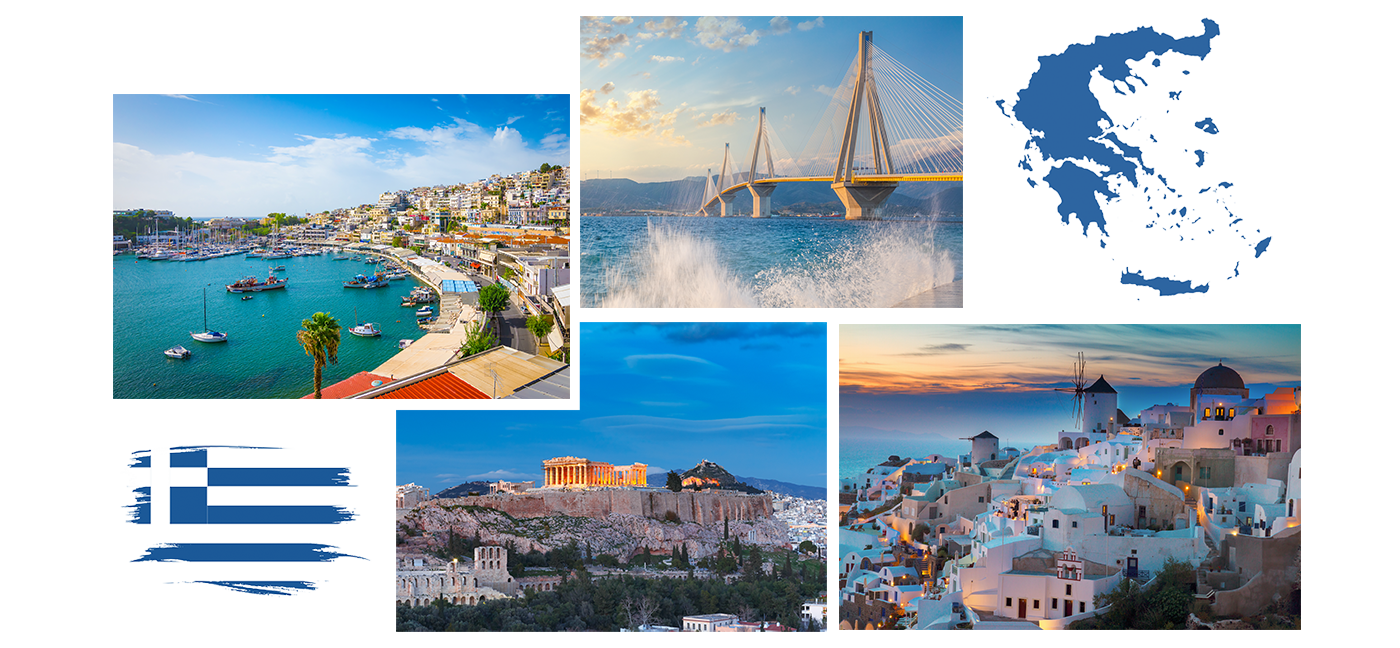
THE NATION OF 10.7 MILLION HAS HIT THE GROUND RUNNING AFTER ITS ECONOMY REOPENED, WITH HIGH EXPECTATIONS FOR VIBRANT ECONOMIC GROWTH DUE TO ITS ATTRACTIVE INVESTMENT ENVIRONMENT AND OPPORTUNITIES IN NEWLY CREATED INDUSTRIES.
Thanks to a strong summer season, Greece has revised upward its annual growth estimate for 2021 from 3.6% to 5.8%. Bolstered by the successful return of its booming tourism sector, opportunities in green developments and its growing tech and innovation sectors, Greece is beating the odds in returning to a new normal after the pandemic.
“New investments will follow the same past trend, reaping significant yields. Greece has all the necessary attributes to help businesses and foreign investors flourish and we are determined to accomplish this mission.”
Adonis Georgiadis, Minister of Development and Investments
U.S. and Greece celebrate bicentennial year of cooperation
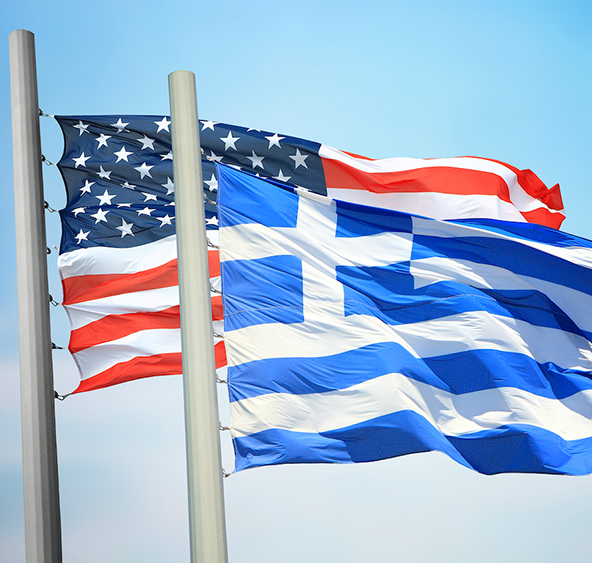
2021 marks 200 years of cooperation between the U.S. and Greece, which was celebrated with wide investments from both markets for mutual benefits. As a leader in the North Atlantic Treaty Organization, Greece benefits from cooperation with the U.S. through trade and investment, energy, law enforcement and military defense. Vice versa, the U.S. has historically used its ties to Greece to participate in the European Union. Greece’s exports to its North American partner were valued at $1.31 billion in 2020, with the largest export being agri-food products. In 2021, trade from the U.S. to Greece hit $2.11 billion, with liquified natural gas topping the list. In October 2021, the two countries renewed their five-year defense pact, signaling increased cooperation in military operations. In 2021, the U.S. invested heavily in building Greece’s knowledge-based economy, including growing a footprint for giants such as Microsoft, Pfizer, Deloitte, Digital Reality and Amazon Web Services in the market. Sectors bookmarked for further U.S. investment include energy, information technology and digital technologies. Greece has tried heavily to revamp its legislative framework to incentivize foreign direct investment, particularly from the U.S. With new projects penned for later this year, the country is so far succeeding.

Lowering carbon emissions seen as key target
Greece is largely an island nation and climate change will have a direct impact on the country’s population and economy. Although currently ranking 16th on the EU’s Eco-Innovation Index, the country’s boost from its standing as the 19th most developed EU country in developing green innovation in 2019 is attributed to new legislation. Policies regarding lowering carbon emissions target the growth of renewable energies, green and alternative tourism and new innovations in agriculture and food sectors. Greece has set a target to reach carbon neutrality by 2050. In September 2021, leaders of southern countries in the EU flocked to the capital to sign the Athens Declaration on climate change and the environment, underlining their commitment to cooperate and create policies in line with the new EU Strategy on Adaption to Climate Change to address current and future challenges. Greece was recognized as being particularly susceptible to the crisis, with some climate change models suggesting the coastal cities of Piraeus and Thessaloniki would largely be submerged if global levels of carbon emissions are not halved by 2030. While much work has been done, the country recognizes that the private sector needs to be incentivized to create a brighter future through environmentally based projects.
Powerful rebound in tourism strengthens economy
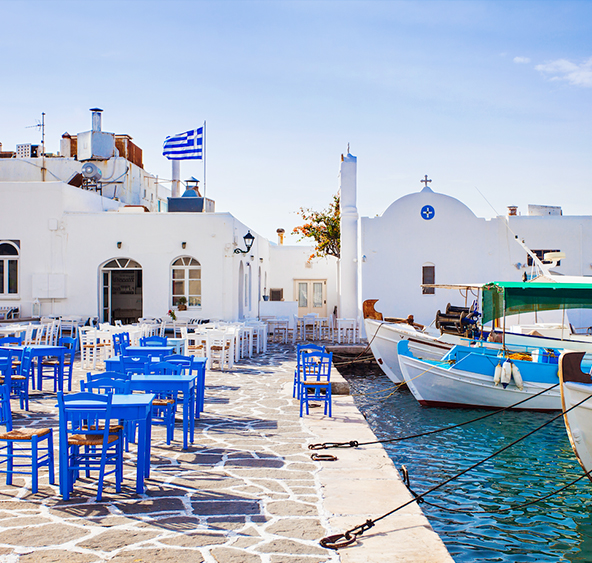
Before the pandemic, Greece’s tourism sector was worth $44.2 billion and accounted for a fifth of the country’s gross domestic product. To support this essential sector of the Greek economy, Prime Minister Kyriakos Mitsotakis green lit the use of the EU digital Covid-19 travel certificate before the EU-wide launch of the platform in July 2021 to extend the industry’s tourist season. The Ministry of Tourism is launching a 10-year strategy that is focused on incentivizing investments in sustainable tourism development and promoting green entrepreneurship in the sector. Central to Greece building up its offerings is the new 2-million-square-metre Hellenikon Metropolitan Park, a key element in developing the capital’s coastal infrastructure, dubbed the Athenian Riviera. The project will feature a restored 2.2-mile coastal zone with a free 1,090-yard public beach, making it the largest urban park in Europe and one of the largest coastal parks in the world. Construction of the asset is expected to finish in 2024.
Energy transition takes the leading role
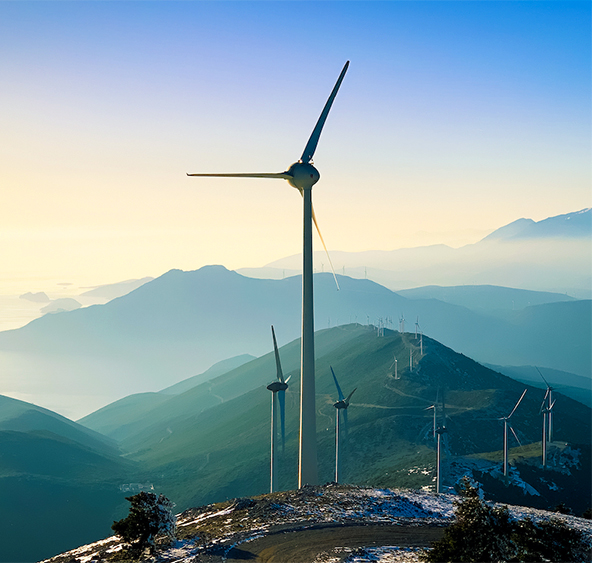
Historically reliant on lignite coal to power its cities and industries, Greece is now relying on its large solar, wind and geothermal potential to transition the market and achieve net zero carbon emissions by 2050. Wind and solar power currently make up 23% of all power generation in the country. The use of coal in the country’s energy mix has fallen considerably from 71.9% in 1990 to only 22.8% in 2019. The use of natural gas, which is seen globally as a transition fuel as the world moves away from the use of fossil fuels, has grown considerably. In late 2020, Greece initiated electricity market reforms to align itself with the EU’s plans for an integrated power market, including adopting EU state aid rules and its program of capacity auctions. The current renewables auction, which will run until 2024, has seen strong interest from large local players such as Mytilineos, Ellaktor and Terna Energy. Although current activity in the sector is high, more opportunities are being unveiled to reach the 35% renewable target by 2030.
Greece gears up its wheels for innovation
While the country’s innovation score in the EU lags at 20th of the 27 member nations, its innovation level has grown considerably, hitting a current innovation performance index of 76.7% against 62.8% in 2012. The growth is largely attributed to improved performance in low added-value sectors, with many companies adopting new-to-market innovations above the EU average. Also central to the development of innovation are current efforts by larger internationals to install research and development hubs in the country. In September 2021, PwC announced plans to develop its Technology Innovation Hub in Patras in conjunction with the University of Patras with the goal of streamlining business processes and incorporating new digital technologies in industry. Additionally, pharmaceuticals leader Pfizer opened the two following facilities in the port town of Thessaloniki in October 2021: Global Center for Digital Innovation and Global Center for Business Operations and Services. The investment is expected to contribute $750 million to the local economy, create 700 new jobs and act as an incubator for Greece’s life science sector. More projects have been bookmarked for the coming years as global leaders take advantage of the country’s business-friendly legislation and new opportunities in the market.